🚀 New: Free vs Paid Boat Ramps guide β€” Read our latest boating guide β†’
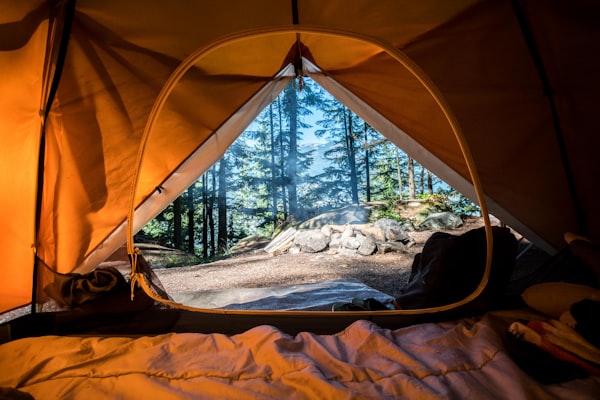
Boat ramp at sunrise on a calm lake β€” find 21,855+ boat ramps across America on RampSeeker

Boat Ramp Directory

Every Boat Ramp
in America

21,855+ launch sites across 46 states. GPS coordinates, amenities, and local tips β€” free forever.

21,855

Boat Ramps

3,400+

Marinas

35,000+

Fishing Piers

50

States

Your Complete Boating Hub

Everything you need to get on the water β€” ramps, marinas, and fishing piers.

How to Find a Boat Ramp Near You: The Complete Guide

Whether you're trailering a 16-foot bass boat to a Tuesday morning fishing spot or hauling a 25-foot cruiser to a holiday weekend on the lake, finding the right boat ramp is the difference between a great day on the water and a frustrating one spent circling parking lots. Not all ramps are equal β€” surface condition, courtesy dock availability, parking depth, and crowd levels vary dramatically from one launch to the next, even on the same body of water.

RampSeeker tracks more than 21,000 public boat ramps across 46 states, with GPS coordinates, amenity details, and local notes for every launch we list. Our directory pulls from federal, state, and municipal sources β€” Army Corps of Engineers facilities, state DNR launches, county parks, and city-managed ramps β€” so you're seeing the same launches local boaters use, not just the ones marketed online.

Below is RampSeeker's directory of boat ramps organized by state. Continue reading below the directory for the complete guide to evaluating ramp conditions, understanding launch fees and permits, choosing between concrete and gravel ramps, and reading the unwritten rules every experienced boater knows about ramp etiquette.

Browse by State

Complete Guide Continues

Why Choosing the Right Boat Ramp Matters

Most boaters have a story about the wrong ramp. The one that looked fine on Google Maps but turned out to be a 30-degree concrete slab where a half-ton truck nearly slid into the water. The county launch with no courtesy dock that became a comedy of errors when the wind picked up. The state ramp that closed without warning during low water and left a 90-mile detour to the next nearest launch.

Picking the right ramp is a small decision with outsized consequences. A bad ramp costs you the morning bite window, scratches a hull on submerged rebar, or chews up a lower unit on a too-shallow drop-off. A good one gets you on the water inside ten minutes with the trailer parked and the boat trimmed for the run out. Over a season β€” and especially over a holiday weekend when every popular launch is packed β€” knowing which ramps are reliable, which have backup capacity, and which to avoid in certain conditions saves more time than any rod-and-reel upgrade ever will.

Reading Ramp Conditions Before You Trailer

A 45-minute drive to a closed ramp is the boater's most preventable mistake. Before you hitch up, check three things: current water level, recent closures, and parking capacity for the time of day you plan to launch.

Water level matters most on tailwater fisheries, USACE reservoirs, and any lake with active dam operations. A two-foot drop in 24 hours can turn a paved ramp into mudflats or expose obstacles that weren't there the last time you launched. State DNR sites and USACE lake pages publish daily readings; many have alerts for closures triggered by ice, debris, or maintenance. RampSeeker's amenity tags filter for courtesy docks, lighting, and known seasonal closures β€” use them as a first pass, then verify against the managing agency's current notices.

Parking capacity is the variable that ruins more weekend launches than weather. Big-rig spaces (truck plus 25-foot trailer) at smaller county ramps fill up fast. If you're heading to a popular ramp on a Saturday, scout one alternate before you leave the driveway.

Understanding Launch Fees, Permits, and Annual Passes

Launch fees vary more than most boaters realize. State and county ramps are free in most cases. Federal ramps β€” Army Corps of Engineers, National Park Service, and some Bureau of Reclamation sites β€” typically charge $5–$15 per launch or sell annual passes in the $30–$100 range. Coastal ramps in tourist destinations can run higher, and a few private ramps with public access charge per-launch fees that exceed federal rates.

Honor-box payment is still the norm at unstaffed ramps. Bring small bills and a pen β€” fee envelopes ask for vehicle plate and trailer plate, and a ranger will check. The USACE annual pass covers any USACE-managed launch nationally and pays for itself in three or four uses. State DNR permits are separate and typically cover all state-managed ramps within that state for the calendar year.

Some states require an invasive species inspection sticker before you launch in certain bodies of water β€” check your destination state's rules, especially when crossing state lines with a trailer. Penalties for skipping the sticker run higher than the fee itself.

Concrete vs. Gravel vs. Carry-Down: What Surface Works for Your Boat

Concrete ramps are the workhorse of the public launch system and the only surface most trailerable boats should be using. They handle the weight of a tow rig, hold up to repeat use, and stay drivable when wet. Older concrete cracks and spalls β€” pay attention to surface condition, especially in northern states where freeze-thaw cycles take a toll. A concrete ramp with exposed rebar or large heaved sections is one to skip.

Gravel ramps work for lightweight craft β€” small jon boats, aluminum 14-footers, and most trailered kayaks. They wash out in heavy rain and rut up under heavy use, so they're not the place for a fully loaded fishing rig. Maintenance is uneven; a gravel ramp that was fine in May can be unusable by August at high-traffic launches.

Carry-down launches are paths or short ramps for canoes, kayaks, and paddleboards. No trailer should ever go down a carry-down β€” the surface is wrong, the grade is usually wrong, and the access is paddle-craft-specific. RampSeeker's listings call out surface type when known; default to concrete unless you're paddling.

Boat Ramp Etiquette: The Unwritten Rules

Every ramp has a rhythm, and experienced boaters can spot the rookie inside thirty seconds. The fastest way to look like you belong is to stay off the ramp until you're ready to launch.

Prep in the staging area, not on the ramp. Drain plug in, gear loaded, straps off, lines and fenders ready. The ramp itself is for one job: backing the trailer in, releasing the boat, pulling out. People are waiting behind you β€” every minute on the ramp is a minute someone else can't launch.

Back down straight. If you can't, practice in an empty parking lot before you bring an audience. Don't leave your trailer at the dock while you park β€” pull out, clear the area, then park. After the run, do the reverse: idle into the staging area, tie off briefly, walk back for the trailer, then load. When in doubt, watch the regulars. A ramp on a Tuesday morning has a half-dozen boaters who use it weekly. They'll show you exactly how a smooth launch looks.

Red Flags at a Boat Ramp (and When to Find Another)

Some ramps reveal themselves as bad ideas the moment you pull in. Cars parked across staging spaces with no one launching. A line of trucks-and-trailers stretching to the road with no pattern of who's next. Broken concrete with rebar visible at the waterline. No courtesy dock when a 15-knot crosswind is pushing every boat onto the rocks. A parking lot too small for tow rigs, or a ramp where the only "parking" is the shoulder of a public road.

Suspicious activity is its own category. If the lot has shattered glass, a few sketchy parked cars, or a vibe that says no one is paying attention, you don't want to leave a trailer and tow vehicle there for eight hours. Trust your read of the place β€” boaters who launch every weekend learn to feel this within ten seconds of pulling in.

When a ramp fails the eye test, leave. RampSeeker lists the closest alternates with parking, surface, and amenity details so you can re-route in minutes. A 20-minute detour beats a ruined day every time.

Why RampSeeker

📍

GPS Coordinates

Exact location for every ramp. Never end up at a locked gate again.

🏗

Amenity Filters

Find ramps with restrooms, courtesy docks, lighting, or fuel.

💬

Local Tips

Real advice from boaters who use these ramps every week.

🔒

Free Forever

No login. No account. No fees. Just find your ramp and go.

📱

Mobile Friendly

Full GPS and directions on any phone. No app needed.

This Spring's Picks

🌿 Limited-Time Featured

Get your rig ready for opening day

Marine Battery Charger

Wake your battery up after winter storage. Maintenance mode keeps it topped off all season.

β˜… Our Pick β€” View on Amazon

Bearing Buddies + Grease

Repack trailer bearings before the first launch. The #1 failure point on boat trailers.

β˜… Our Pick β€” View on Amazon

Hull Cleaner

Strip waterline scum and algae from the off-season. Back to a showroom hull in an hour.

β˜… Our Pick β€” View on Amazon

Essential Boat Launch Gear

As an Amazon Associate we earn from qualifying purchases.

Trailer Guide Poles

Makes solo launching easy. Guide your boat onto the trailer every time, even in wind and current.

β˜… Our Pick β€” View on Amazon

Universal Boat Drain Plug

The one piece of gear everyone forgets. Keep a spare in the truck.

β˜… Our Pick β€” View on Amazon

Wheel Bearing Grease

The #1 trailer failure point. Repack before every season with marine-grade grease.

β˜… Our Pick β€” View on Amazon

On the Water Essentials

As an Amazon Associate we earn from qualifying purchases.

Type III Life Jackets (Adult)

Coast Guard approved. Comfortable enough to actually wear, not just keep on the boat.

β˜… Our Pick β€” View on Amazon

Marine First Aid Kit

Waterproof case with the basics for hooks, cuts, sunburn, and seasickness.

β˜… Our Pick β€” View on Amazon

Floating Keychain

Because dropping your truck keys in the lake ends the trip.

β˜… Our Pick β€” View on Amazon

Boat Fenders (2-Pack)

Protect the hull at courtesy docks and when rafting up with other boats.

β˜… Our Pick β€” View on Amazon

Marine Sunscreen SPF 50

Water-resistant and reef-safe. You will need this more than you think.

β˜… Our Pick β€” View on Amazon

Waterproof Dry Bag

Keep phones, wallets, and spare clothes dry in any weather.

β˜… Our Pick β€” View on Amazon

Fish Finder & Electronics

As an Amazon Associate we earn from qualifying purchases.

Garmin Striker 4 Fish Finder

The best-selling entry-level fish finder. CHIRP sonar and built-in GPS for under $120.

β˜… Our Pick β€” View on Amazon

Humminbird Helix 5

A serious step up. Side imaging, CHIRP, and a 5-inch display for finding structure.

β˜… Our Pick β€” View on Amazon

Marine USB Charger

12V waterproof dual-USB. Keep phones and GPS charged all day on the water.

β˜… Our Pick β€” View on Amazon

New Guide

Floating Boat Ramps & Portable Docks

Fluctuating water levels or no public ramp nearby? Compare modular floating docks, drive-on ramps, and DIY foam-float builds β€” plus top-rated products on Amazon.

Read the Guide β†’

Gear Up for the Water 🚒

Top-rated boating and fishing gear for every trip.

Boating Guides

All posts β†’

Frequently Asked Questions

Are most public boat ramps free to use?
Most state and county boat ramps are free. Federal ramps (USACE, National Park Service) often charge $5-15 per launch or offer annual passes. Check the listing's amenity details on RampSeeker β€” fee information is included where verified.
Do I need a permit or registration to launch a boat?
Boat registration is required in every state for motorized vessels above a certain horsepower (varies by state). Some states also require a launch permit or invasive species inspection sticker. Check your state's DNR or fish-and-wildlife agency before launching.
What's the difference between a public boat ramp and a marina?
A public boat ramp is a launch point β€” you trailer in, launch, and leave. A marina offers slip rentals, fuel, services, and storage. Many marinas have public ramps adjacent to them but charge a fee for use. See MarinaSeeker for full marina listings.
How early should I arrive on busy weekends?
On summer weekends at popular ramps, plan to arrive at sunrise. Holiday weekends β€” Memorial Day, July 4, Labor Day β€” often see parking lots full by 8 AM. RampSeeker's directory includes alternates nearby if your first choice is packed.
Is RampSeeker free to use?
Yes, completely free. No login, no account, no paid tier. We're funded by display advertising and listing partnerships with shops and services. Find your ramp and go.

Get Boating Updates 🚀

New ramps, seasonal tips, and fishing reports delivered to your inbox.

No spam, ever. Unsubscribe anytime.

Powered by CLETUS AI

Your Business Deserves a 24/7 Employee

CLETUS is the AI chat and voice agent that never sleeps, never calls in sick, and costs less than $1/day.

AI chat widget answers customers on your website
AI phone receptionist handles calls 24/7
Learns YOUR business in 5 minutes
Works for any industry β€” restaurants, shops, services
14-day free trial, no credit card needed

Try it now β€” click the chat bubble in the corner to see CLETUS in action β†’

Know a ramp we're missing?

Help us build the most complete ramp directory in America.

Submit a Ramp